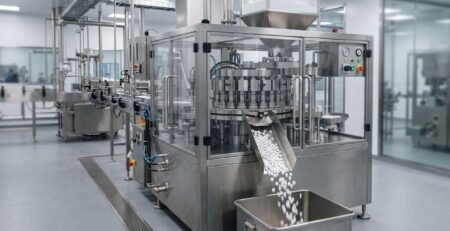
The essential guide to rotary tablet presses in modern pharmaceutical production
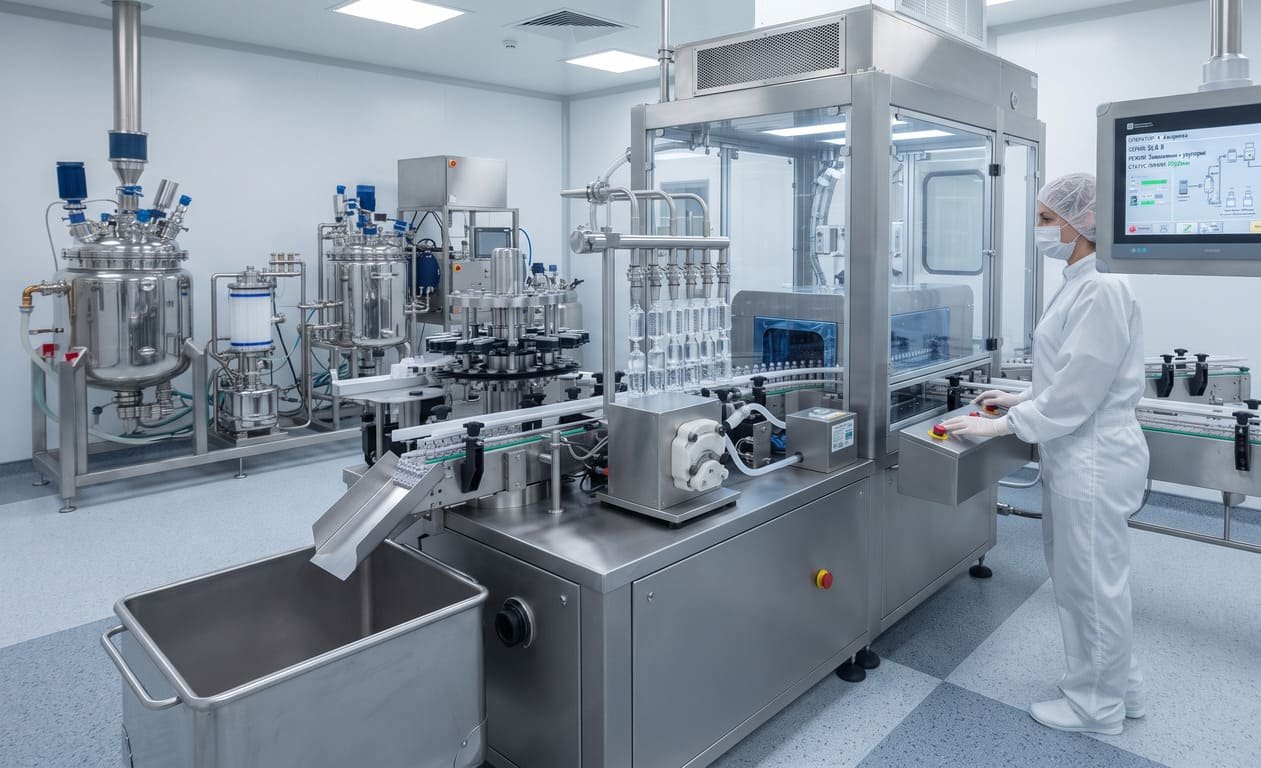
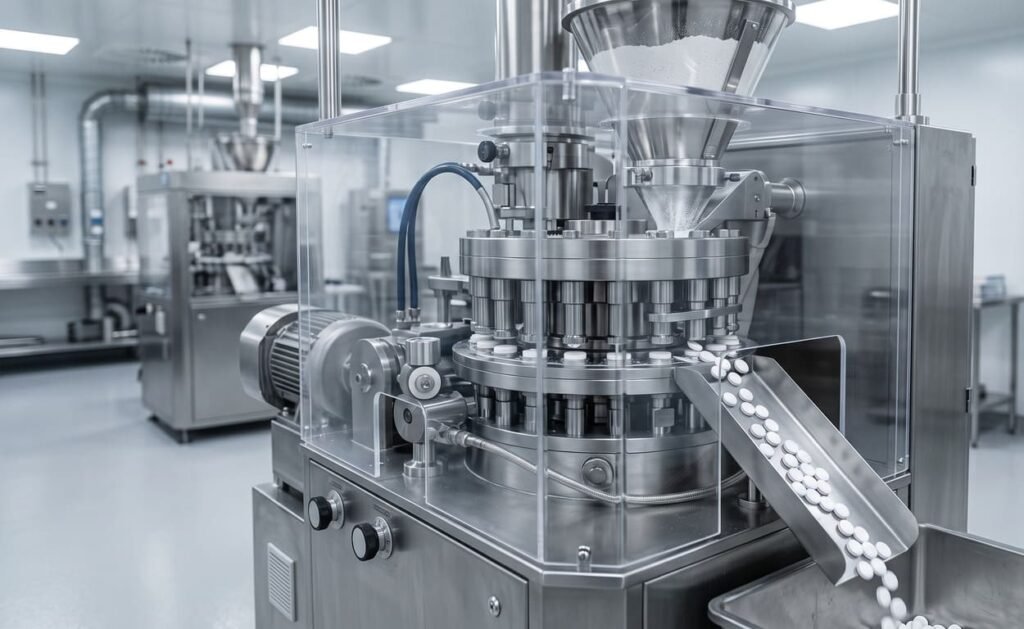
Over the decades, tablet manufacturing has evolved from a simple, artisanal process into a highly complex, technologically advanced science where efficiency, precision, and absolute consistency are paramount. At the heart of this industrial revolution is the rotary tablet press, often referred to simply as a rotary press, which forms the fundamental backbone of modern pharmaceutical production. Unlike older eccentric presses, which operate with a single pressing tool, the rotary press features a continuously rotating table on which numerous dies and upper and lower punches are arranged. This mechanical marvel enables the production of hundreds of thousands of tablets per hour with identical weight, precise hardness, and homogeneous density, essential for accurate drug dosing. The basic principle relies on a perfect harmony of gravity or forced intake of the powder mixture, precise volumetric dosing in the die, the actual compression step by pre- and main pressure rollers, and the subsequent ejection of the finished tablets.
Why the rotary press is indispensable for the pharmaceutical industry
The pharmaceutical industry's enormous demands for throughput, validation, and product quality make the use of rotary tablet presses absolutely indispensable. Modern machines of this type operate with highly sophisticated control systems that monitor each individual pressing cycle in real time and intervene immediately at the slightest deviations to minimize rejects and meet the stringent regulatory requirements of authorities worldwide. A crucial advantage of this technology lies in its incredible flexibility and scalability, as the rapid change of format tools allows for both small batches for clinical trials and gigantic mass productions in continuous 24-hour operation. Furthermore, the pre-compression principle ensures that trapped air can escape from the granules before the final main pressure seals the tablet structure, effectively preventing typical quality defects such as capping or cracking. Modern capsule and tablet presses are modular in design, hermetically sealed against contamination, and equipped with sophisticated CIP and WIP cleaning systems that guarantee the protection of operators when handling highly potent active ingredients and drastically reduce setup times. This combination of high speed, intelligent process monitoring, and uncompromising precision ensures the long-term economic future and medical standards of the global pharmaceutical industry.
Eine moderne Tablettenpressmaschine ist das technologische Herzstück der modernen pharmazeutischen Produktion, der chemischen Industrie sowie der Herstellung von Nahrungsergänzungsmitteln. Als...
Die moderne Pharmaindustrie und die Nahrungsergänzungsmittelbranche stehen kontinuierlich vor der Herausforderung, enorme Stückzahlen bei gleichbleibend hoher Qualität zu produzieren. Hier...
Die pharmazeutische Produktion steht unter einem stetigen Druck, Durchsatzraten zu erhöhen, die Produktqualität zu stabilisieren und gleichzeitig die Betriebskosten durch...
Die Wahl der richtigen Tablettenpressmaschine stellt für Pharmaunternehmen, Nahrungsergänzungsmittelhersteller und F&E-Labore eine zentrale strategische Entscheidung dar. Die Herausforderung besteht darin,...