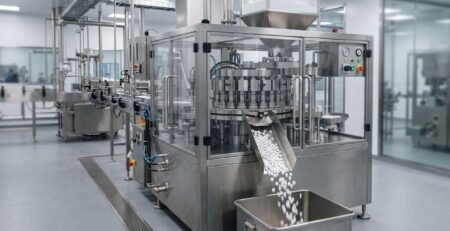
Efficient high-speed tablet production: A comprehensive guide for beginners
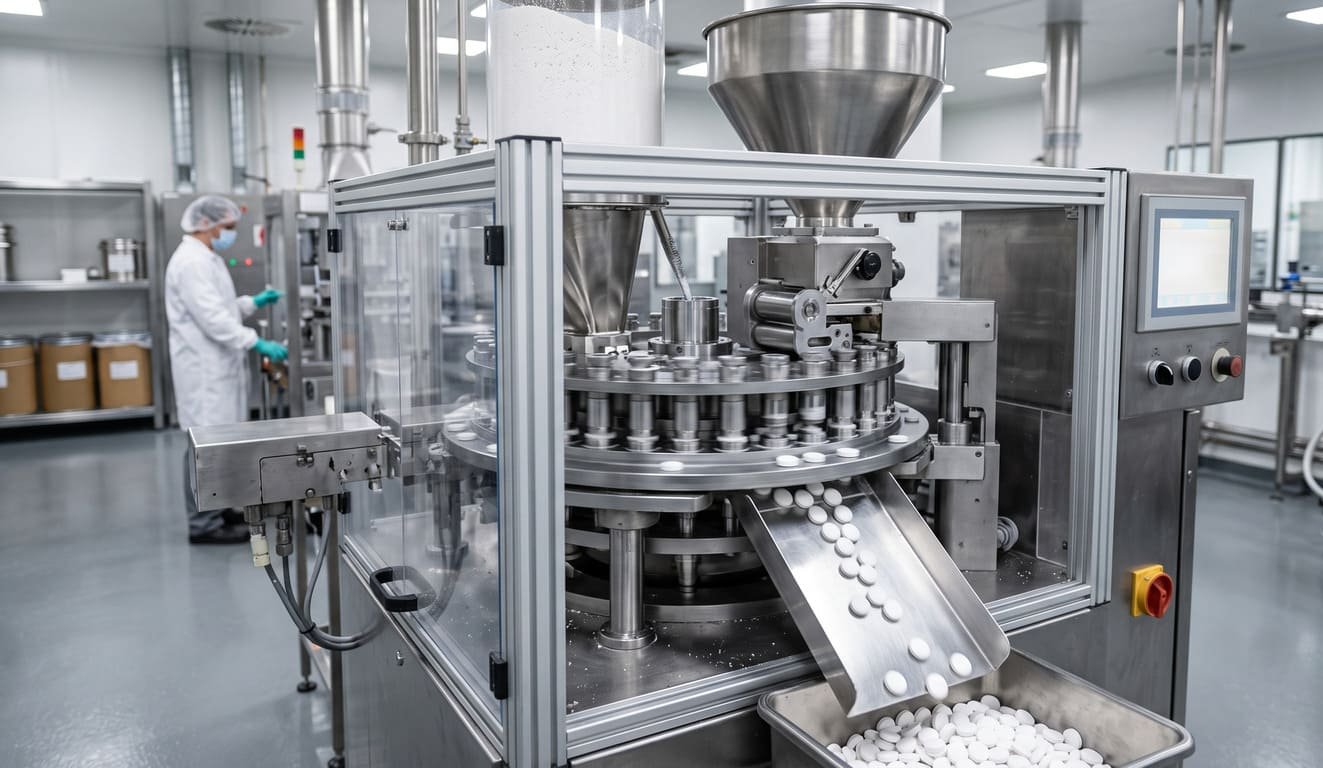
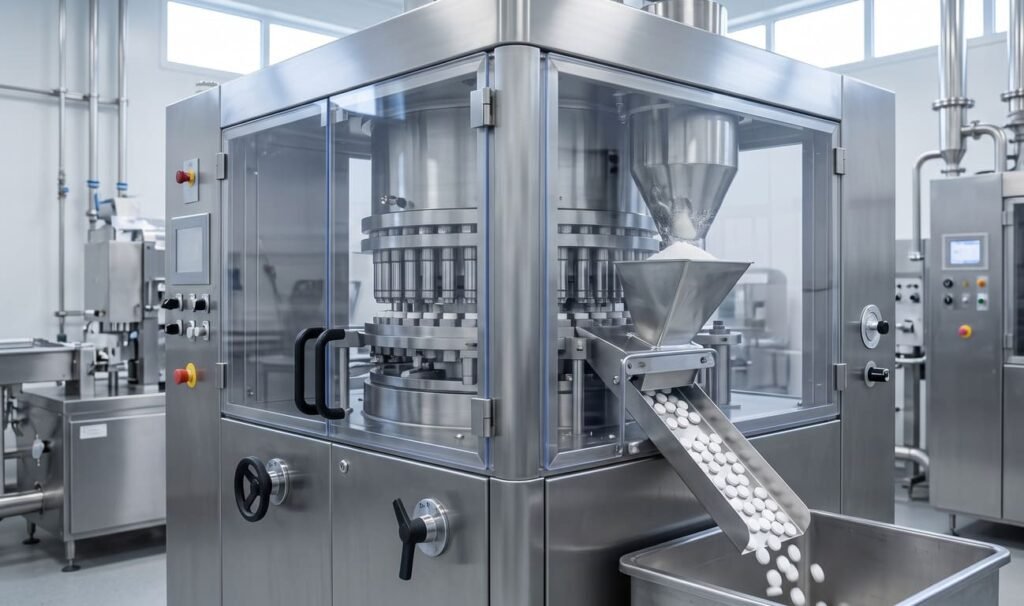
The modern pharmaceutical and dietary supplement industries constantly face the challenge of producing enormous quantities while maintaining consistently high quality. High-speed tablet manufacturing plays a crucial role here, having revolutionized traditional production processes and enabling manufacturers to efficiently serve global markets. For newcomers to this complex technological environment, the sheer variety of machines, parameters, and processes can initially seem overwhelming, but the fundamental principle is based on proven physical and mechanical laws. At the heart of this process is rotary compression, in which powdered or granulated raw materials are compacted under high pressure in a rotating die using upper and lower dies. Unlike slow, manual, or semi-automatic presses, which are typically designed for laboratory use or small-batch production, industrial high-speed systems operate at thousands of cycles per minute and therefore require a deep understanding of materials science, mechanical engineering, and process validation. The success of such production depends significantly on the meticulous preparation of the raw materials, as only optimally flowable granules ensure uniform filling of the dies and prevent weight fluctuations or dosing errors in continuous high-speed operation. Before the powder even enters the press, it often undergoes demanding steps such as mixing, granulation, and drying to precisely tailor its physical properties, such as particle size, bulk density, and binding capacity, to the machine's requirements. Once the production process begins, sophisticated automation systems and precise sensors monitor each individual press stroke to detect and eliminate defects such as cracking, capping, or lamination at an early stage. A crucial factor for smooth long-term operation is also the correct tooling selection, where high-quality punches and dies made of special steel alloys must withstand not only the enormous mechanical pressure but also the abrasive or corrosive properties of the active ingredients. Regular maintenance intervals, precise lubrication of mechanical components, and strict cleaning protocols are essential for minimizing machine wear and ensuring full compliance with the stringent regulatory requirements of Good Manufacturing Practice. Furthermore, a thorough understanding of the residence time is crucial, as extremely high rotational speeds drastically reduce the time during which maximum pressure is applied to the powder, directly impacting the hardness, porosity, and disintegration time of the finished tablet. To successfully balance maximum throughput with uncompromising product quality, machine operators and engineers must collaborate closely, continuously analyze process data, and fine-tune machine settings. With the right theoretical foundation and a keen eye for technical intricacies, the seemingly complex high-speed manufacturing process transforms into a manageable, highly profitable, and future-proof production process that forms the basis for economic success in the modern pharmaceutical industry.
The future of pharmaceutical production: Efficiency and quality in harmony
The continuous evolution of technical standards in industrial manufacturing demands the highest degree of adaptability and technological expertise from companies. Particularly in the pharmaceutical and nutraceutical manufacturing sectors, a focus on maximum efficiency has become an indispensable competitive factor. The targeted use of state-of-the-art rotary presses not only drastically reduces production times but also minimizes setup times and optimizes energy costs. A solid understanding of the interplay between powder rheology and machine dynamics enables companies to process even demanding formulations flawlessly and in record time. Technological innovation is constantly evolving in conjunction with regulatory requirements to guarantee the highest safety standards for the end consumer. Investing in future-proof production facilities pays off in the long run through a significant reduction in waste and increased overall equipment effectiveness (OEE). Manufacturers who embrace these principles secure a sustainable market position and are ideally equipped to meet the increasing global demands of the modern health and nutrition industries.
Eine moderne Tablettenpressmaschine ist das technologische Herzstück der modernen pharmazeutischen Produktion, der chemischen Industrie sowie der Herstellung von Nahrungsergänzungsmitteln. Als...
Die Herstellung von Tabletten hat sich im Laufe der Jahrzehnte von einem einfachen handwerklichen Prozess zu einer hochkomplexen, technologisch fortgeschrittenen...
Die pharmazeutische Produktion steht unter einem stetigen Druck, Durchsatzraten zu erhöhen, die Produktqualität zu stabilisieren und gleichzeitig die Betriebskosten durch...
Die Wahl der richtigen Tablettenpressmaschine stellt für Pharmaunternehmen, Nahrungsergänzungsmittelhersteller und F&E-Labore eine zentrale strategische Entscheidung dar. Die Herausforderung besteht darin,...